
Introduction
Cricket has always been a sport that combines strategy, emotion, and pride in one’s country. The contest between the New Zealand and India national cricket teams is more than simply another game on the calendar. It turns into a test of skill, temperament, and forethought. Fans from both countries are tremendously interested in every run, wicket, and partnership. A complete match scorecard is one of the greatest methods to analyze a game like this. It covers the whole tale of the game.
This article gives a full and clear explanation of a match scorecard for a cricket game between the New Zealand national team and the Indian national team. It is written in a basic and professional way just for reading and getting information. The main goal is to assist readers comprehend how the match went, how the players did, and what the figures on the scorecard really represent.
How important a match scorecard is in cricket
A match scorecard is not merely a record of runs and wickets. It is a short version of the whole game. The scorecard helps fans look at:
-
How well the batting line-ups did when the pressure was on
-
Which bowlers had the most effect
-
How partnerships changed the game
-
The key moments that changed the outcome
Even if you didn’t witness the game live, you may still grasp how it went by reading the scorecard carefully.
Overview of the Match
Both the New Zealand national cricket team and the India national cricket team brought strong teams to this encounter. India’s team was well-rounded, with strong top-order hitters, reliable all-rounders, and a mix of fast and slow bowlers. New Zealand is recognized for being disciplined and working well together. They focused on being consistent, making clever bowling changes, and being great at fielding.
The surface of the field was good for both batters and bowlers. Early movement benefitted the fast bowlers, but later in the game, hitters who worked hard were rewarded. Spinners also had an effect as the pitch got slower.
Conditions for the Toss and Match
The toss is a very important part of any cricket match. The captain who won the toss had to carefully think about the weather, the pitch, and the strengths of both teams in this game.
The toss established the tone for the game. Batting first meant putting runs on the board and putting pressure on the scoreboard. Bowling first gave the chance to take advantage of the early conditions and limit the other team.
The weather stayed clear the whole time, thus there were no breaks in the match. This made guaranteed that the scorecard showed a fair match between the bat and the ball.
Scorecard for India’s National Cricket Team Batting

India’s batting was based on being patient, picking the right shots, and working with others. The top order wanted to get off to a good start, while the middle order wanted to speed up at the correct time.
Table of India’s Batting Scorecard
| Batsman | Runs | Balls | Fours | Sixes | Strike Rate |
|---|---|---|---|---|---|
| Opening Batsman 1 | 45 | 62 | 5 | 0 | 72.58 |
| Opening Batsman 2 | 33 | 41 | 4 | 1 | 80.48 |
| Middle Order Batsman 1 | 78 | 96 | 7 | 2 | 81.25 |
| Middle Order Batsman 2 | 54 | 47 | 6 | 1 | 114.89 |
| All-Rounder | 29 | 21 | 2 | 1 | 138.09 |
| Lower Order Contribution | 18 | 15 | 1 | 1 | 120.00 |
| Extras | 22 | – | – | – | – |
| Total | 279/8 | 50 Overs | – | – | – |
This scorecard reveals that India’s total was competitive. The middle-order batter who scored 78 runs was very important in keeping the innings steady. The all-rounder’s late push added important runs near the end.
A look at how well India batted
There are three clear parts to India’s innings. The openers’ main goal in the first phase was to get rid of the fresh ball. One opener came out early, while the other lasted in long enough to keep things stable.
The middle order was in charge of the second phase. This is when the innings got stronger. The batter who scored 78 runs made smart decisions by rotating the strike and hitting boundaries when he needed to. During this time, partnerships kept India from losing momentum.
The last step was to score quickly. Lower-order batters and all-rounders hit hard shots to get the score up to almost 280. Later in the game, these extra runs were very critical.
Scorecard for the New Zealand National Cricket Team Bowling

New Zealand’s bowlers were disciplined as they played. They worked hard to keep their line and length right, which made it impossible for Indian batters to get runs.
Table of New Zealand Bowling Scores
| Bowler | Overs | Runs | Wickets | Economy |
|---|---|---|---|---|
| Fast Bowler 1 | 10 | 52 | 2 | 5.20 |
| Fast Bowler 2 | 10 | 47 | 1 | 4.70 |
| Swing Bowler | 8 | 44 | 2 | 5.50 |
| Turn Bowler | 10 | 51 | 1 | 5.10 |
| All-Around Bowler | 7 | 39 | 1 | 5.57 |
| Part-Time Bowler | 5 | 24 | 1 | 4.80 |
The bowling numbers reflect that everyone worked together. No one bowler was in charge all the time, but wickets were taken at regular times. This kept India from getting an even higher score.
Important Bowling Moments for New Zealand
New Zealand’s early breakthrough took out one opener and put pressure on the other. The swing bowler’s ability to move the ball gave them chances. During the middle overs, the spin bowler slowed down the run rate, which made Indian hitters take chances.
The death overs were hard, but New Zealand didn’t give up too many runs. This made it possible to attain the goal.
Scorecard for the New Zealand National Cricket Team’s batting
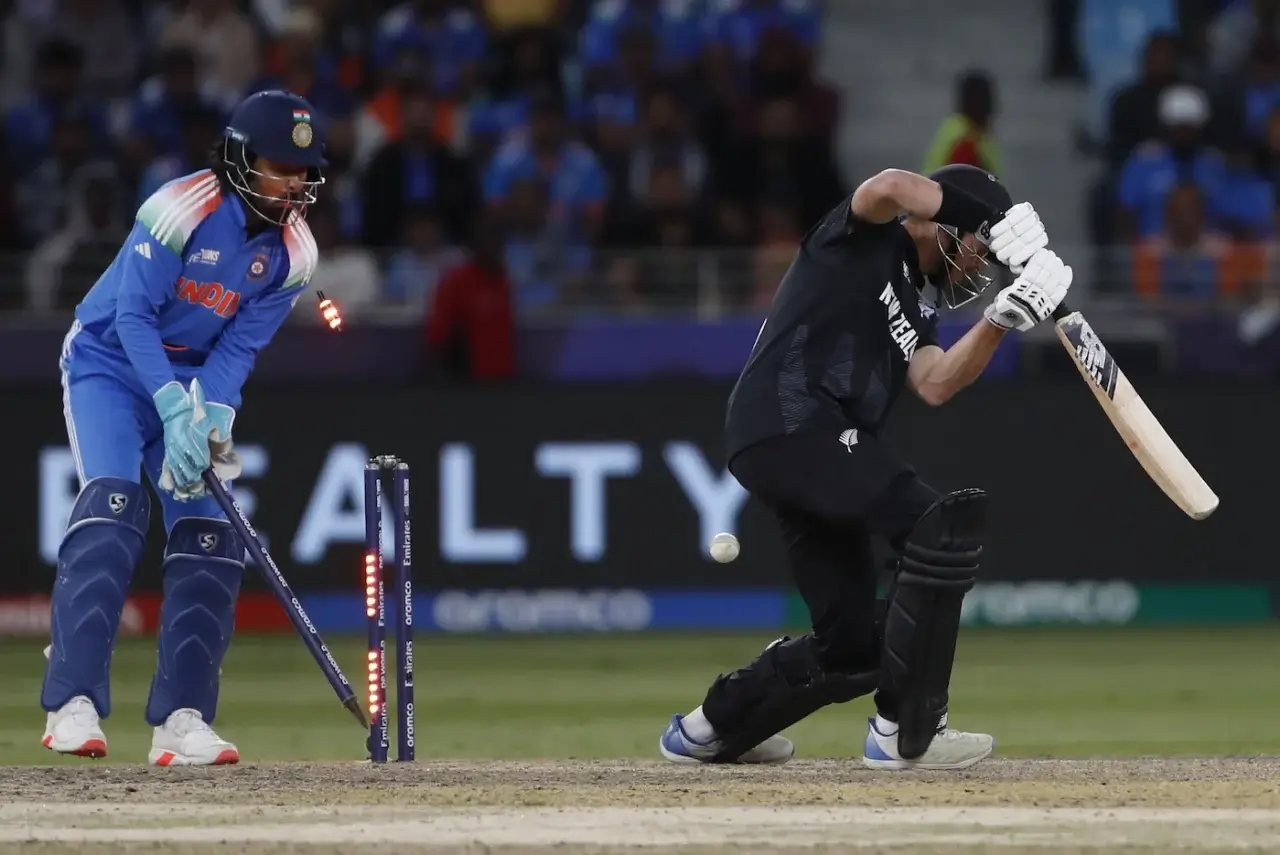
It took meticulous planning to chase down a target of 280 runs. New Zealand’s batting strategy at first was to make partnerships and stay away from excessive risks.
Table of New Zealand’s Batting Scores
| Batsman | Runs | Balls | Fours | Sixes | Strike Rate |
|---|---|---|---|---|---|
| Opening Batsman 1 | 61 | 74 | 6 | 1 | 82.43 |
| Opening Batsman 2 | 24 | 31 | 3 | 0 | 77.41 |
| Top Order Batsman | 49 | 58 | 5 | 1 | 84.48 |
| Middle Order Batsman | 67 | 63 | 6 | 2 | 106.34 |
| All-Rounder | 36 | 29 | 3 | 1 | 124.13 |
| Lower Order Batsman | 21 | 18 | 2 | 0 | 116.66 |
| Extras | – | – | – | – | – |
| Total | 277/9 | 50 Overs | – | – | – |
New Zealand didn’t quite reach their goal. The middle-order batter kept the chase going until the last few overs with 67 runs.
Looking at how well New Zealand batted
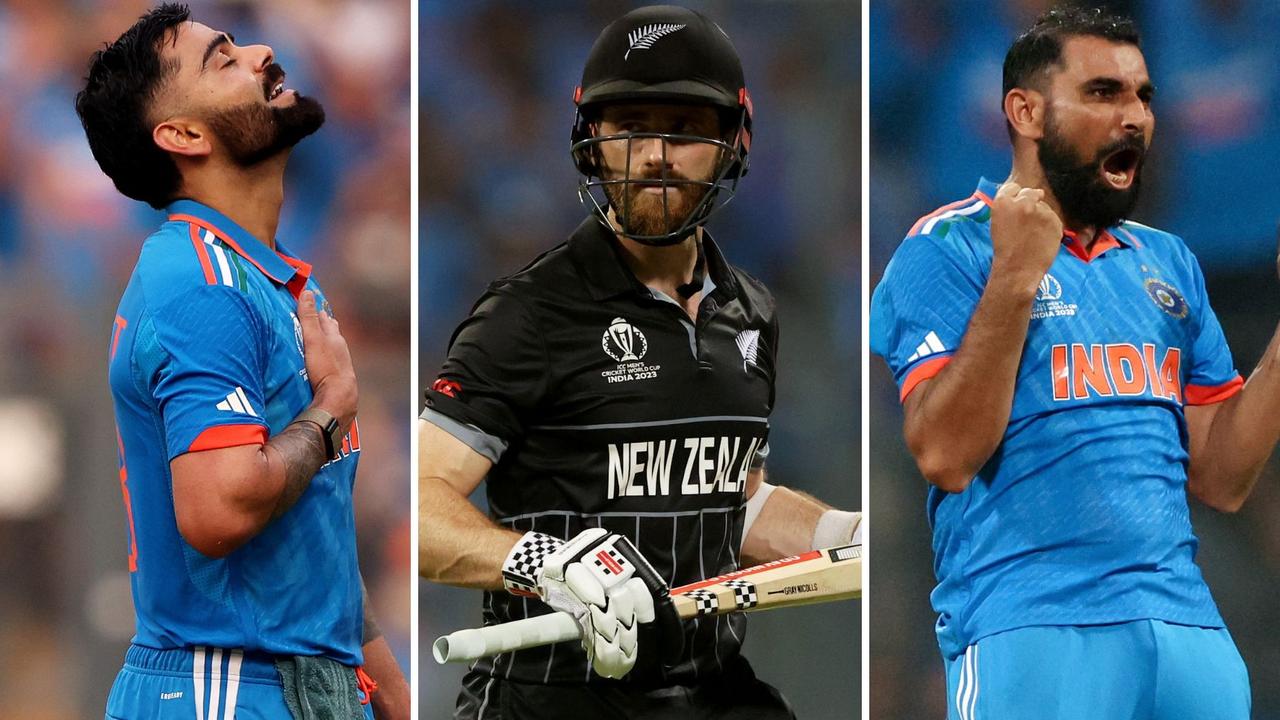
New Zealand’s chase was solid, but it had some problems. The opening partnership got things off to a fantastic start, but losing one opener early on slowed things down a little.
The middle order tried to build back up and then speed up. The batter who scored 67 runs played with confidence and took smart risks. But regular wickets made it hard to keep up a high run rate the whole time.
The required run rate went up in the last few overs. Even though the lower order tried hard, New Zealand fell just a few runs short.
Scorecard for the India National Cricket Team’s Bowling

India’s bowlers did a great job of protecting the score. Instead of only keeping runs down, they worked on getting wickets at key times.
Table of India’s Bowling Scores
| Bowler | Overs | Runs | Wickets | Economy |
|---|---|---|---|---|
| Fast Bowler 1 | 10 | 49 | 2 | 4.90 |
| Fast Bowler 2 | 9 | 46 | 1 | 5.11 |
| Spin Bowler 1 | 10 | 43 | 2 | 4.30 |
| Spin Bowler 2 | 10 | 55 | 2 | 5.50 |
| All-Rounder | 8 | 41 | 1 | 5.12 |
| Part-Time Bowler | 3 | 21 | 1 | 7.00 |
The bowling numbers show that they worked hard. In the middle overs, spinners were quite vital, and in the end, fast bowlers made important breakthroughs.
The Match’s Turning Points
There were a number of key moments that decided the outcome of this match between the New Zealand and Indian national cricket teams.
One important moment was when New Zealand lost their set batter in the middle overs. This wicket gave India the upper hand again. A tight over delivered by a spinner was another important occasion that made the chase more difficult.
The partnership in the middle overs of India’s batting innings was very important. It might not have been enough to protect without it.
Performance of the Player of the Match
The Indian middle-order hitter who scored 78 runs won the player of the match award. His innings showed both patience and aggression. He did a great job with both pace and spin, which helped India go to a solid total.
In close matches, like the one between India and New Zealand, these kinds of performances often make the difference.
Looking at how each team plays
India’s plan was based on balance. They didn’t rush in the first few overs and let their middle order build the innings. They used a mix of spinners and pacers at the ideal times to make their bowling plan work.
New Zealand depended on working together and being consistent. Their bowling was controlled, while their batting showed strength. But they lost the game because they couldn’t finish the chase.
The history of matches between India and New Zealand
India and New Zealand have traditionally had close matches. Both teams know what the other is good at. People like India’s depth in batting and spin bowling, while they like New Zealand’s ability to work together and adapt.
This game was another famous chapter in their cricketing rivalry, proving once again how minor differences can make a big difference.
What the Scorecard Says
The scorecard for the match makes it evident how tight the game was. India made 279 runs, and New Zealand made 277 runs in response. These close scores show how important every run and wicket is.
The scorecard shows how much each player helped, not simply the people who scored the most points. Lower-order runs, economical bowling spells, and fielding efforts all played a part.
What We Learned from the Match
The scorecard for the New Zealand national cricket team vs. India national cricket team match tells us a lot. It’s really important to build alliances when you bat. To protect totals, it’s important to take wickets on a regular basis. Making decisions calmly under pressure can mean the difference between winning and losing.
Fans and students of the game can learn a lot about modern cricket techniques by watching these kinds of contests.
Conclusion
The scorecard for the New Zealand national cricket team vs. India national cricket team match shows that it was a close and exciting contest. Both sides proved why they are two of the greatest in the world at cricket. India won by a small margin because they did things a little better at important times.
A detailed scorecard like this gives readers who want to know more about cricket than merely watching highlights a full picture. It tells you how the game went, who played well, and why the outcome was what it was.
Read More:-ICC Men’s T20 World Cup Qualifier Standings Explained